Which Lightweight Portable Oxygen Concentrators Are Best for Seniors
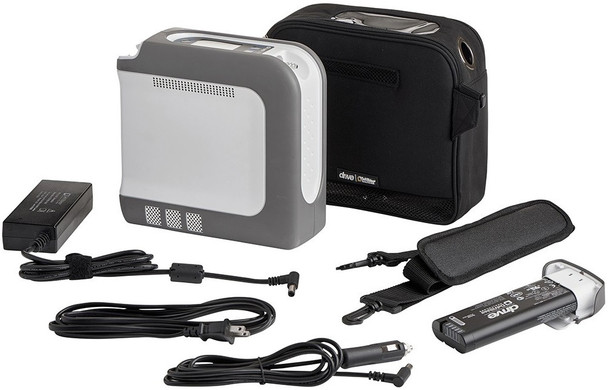
Table of Contents
- Why a Lighter Oxygen System Can Make a Difference
- Pulse Flow vs. Continuous Flow: Which Is Right for You?
- Top Features to Compare When Shopping for a Lightweight POC
- Lightweight Portable Oxygen Concentrator Picks for Seniors in 2026
- Portable Oxygen Concentrator Price Guide: What to Expect
- Buying vs. Renting a Portable Oxygen Concentrator
- Where to Buy a Lightweight POC with Free Shipping
- Sources and Product Information
A trip to the grocery store, lunch with a friend, or a visit with the grandchildren can take extra planning when you use supplemental oxygen. The equipment has to go with you, and its weight, battery life, and carrying arrangement can influence how comfortably you get around.
For some seniors who have been prescribed oxygen, a lightweight portable oxygen concentrator, or POC, can make those outings easier. It concentrates oxygen from the surrounding air and runs on electrical power or a rechargeable battery, reducing dependence on tank deliveries and refills.
But the smallest machine is only a good choice if it delivers the oxygen you need. This guide explains the differences that matter and highlights options from American Discount Home Medical Equipment's portable oxygen concentrator selection.
Why a Lighter Oxygen System Can Make a Difference
The Impact of Heavy Equipment on Mobility and Independence
Carrying oxygen equipment adds another physical task to leaving the house. A heavy unit may strain a shoulder, make stairs harder, or require someone else's help to load it into a car. A rolling system can reduce the amount carried, but curbs and steps still require planning.
A lighter system may make everyday errands more manageable. Compare the complete travel setup, including the battery, bag, charger, and spare batteries. A machine's advertised weight does not always include everything you will take along.
Who Benefits Most from a Lightweight Portable Oxygen Concentrator?
A lightweight portable oxygen concentore or POC may suit someone who already uses prescribed oxygen, regularly leaves home, and can receive adequate oxygen from that particular device. People with COPD, pulmonary fibrosis, or other conditions associated with low blood oxygen may be candidates, depending on their clinical assessment.
Age, a diagnosis, or breathlessness alone does not establish a need for oxygen. Your healthcare provider determines whether you need it and how it should be delivered. The American Thoracic Society's oxygen therapy guidance explains how oxygen needs are evaluated and why requirements can differ during rest, activity, and sleep.
Pulse Flow vs. Continuous Flow: Which Is Right for You?
Before comparing weight or battery life, find out which delivery method your prescription requires. Most small, shoulder-carried POCs use pulse dose. Devices that also provide continuous flow are generally larger and heavier.
Understanding Pulse Dose Delivery
A pulse-dose concentrator detects an inhalation and releases a measured burst of oxygen. Delivering oxygen in pulses helps manufacturers build compact, battery-powered machines.
A pulse setting of 2 does not mean 2 liters per minute. Settings also cannot be assumed equivalent between brands or models. Your clinician should assess whether the specific machine and setting meet your needs, including during walking or other planned activities. See the American Thoracic Society's guide to portable concentrators for more about these limitations.
When Continuous Flow Is Necessary
Continuous flow delivers oxygen steadily at a prescribed rate in liters per minute, often abbreviated LPM. It may be necessary when pulse delivery does not adequately meet a person's oxygen needs or when the prescribed treatment setup requires continuous delivery.
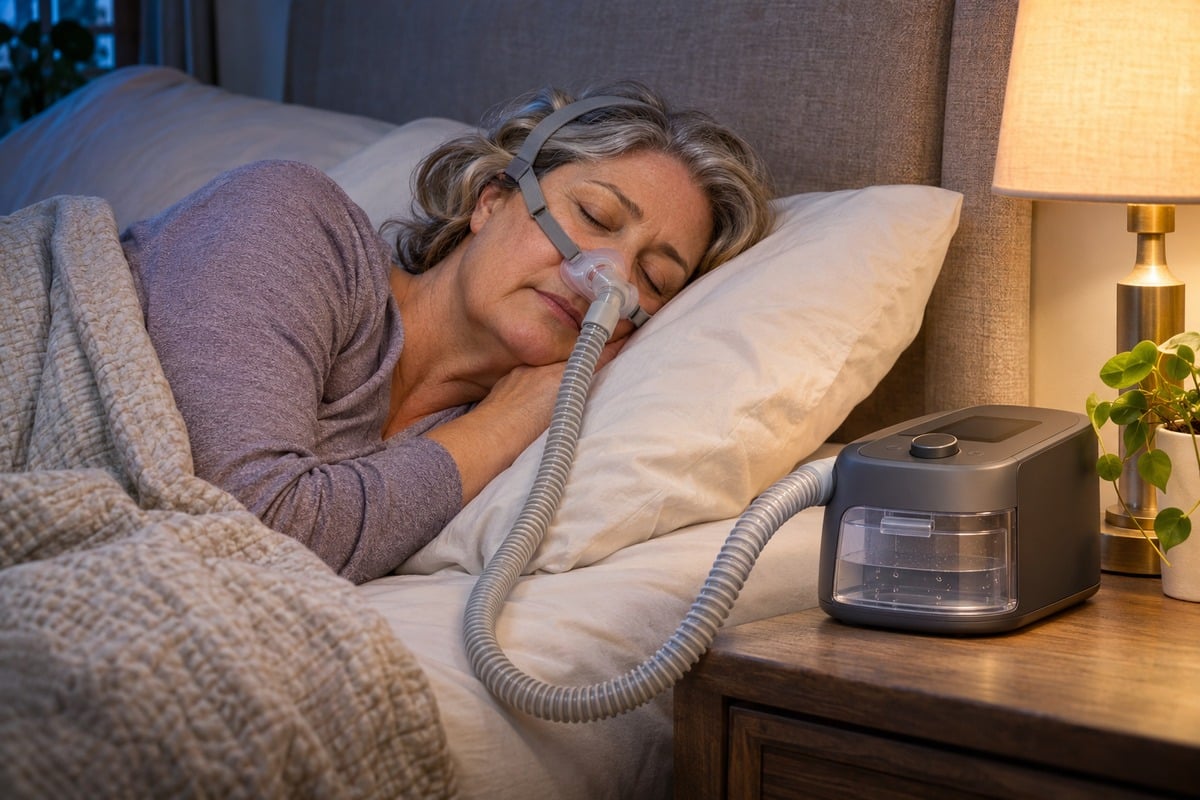
Do not assume a daytime pulse-dose machine can replace your nighttime equipment or supply oxygen to a CPAP or BiPAP machine. Ask your healthcare provider about sleep use and equipment compatibility before making a change. If your prescribed continuous-flow requirement exceeds a portable unit's maximum output, that unit is not an appropriate substitute.
Top Features to Compare When Shopping for a Lightweight POC
Weight and Portability
Consider how you will move the equipment through a normal day. A shoulder-carried unit may be convenient for short outings, while a cart may be easier for someone who cannot comfortably carry a load. Check the weight with the exact battery you plan to use, and consider whether you can lift the complete setup into your vehicle.
Battery Life and Charging Options
Battery runtime depends on the model, setting, breathing pattern, battery condition, and operating conditions. An advertised maximum at a low setting may not reflect your prescription. Ask for runtime at your required setting and allow extra capacity for delays.
Compare standard and extended batteries, replacement costs, and access to AC and vehicle power. Confirm whether the machine can operate and recharge simultaneously at your prescribed setting; a car adapter does not guarantee every charging function under every condition.
FAA Requirements for Air Travel
If you fly, confirm that your exact model meets FAA acceptance requirements. Although product listings often say “FAA approved,” the FAA now uses acceptance criteria and manufacturer labeling rather than approving each new model individually.
Contact your airline before travel. It may require advance notice, medical documentation, and fully charged batteries sufficient for at least 150% of the flight duration. Do not rely on an aircraft power outlet. Review the FAA's POC acceptance guidance and the Department of Transportation's travel guidance, then confirm your airline's procedures.
Noise Level and Ease of Use
Look for a display you can read, buttons you can operate, and alarms you can recognize and respond to. Ask someone to demonstrate battery changes, cannula connections, and routine maintenance before you depend on the machine away from home.
Compare published sound levels at the stated operating settings. A noise figure measured at a low pulse setting may not describe how the device sounds at a higher setting or in continuous-flow mode.
Lightweight Portable Oxygen Concentrator Picks for Seniors in 2026
The following options are selected from ADHME's catalog for different priorities: low carrying weight, battery flexibility, and continuous-flow capability. These recommendations compare published specifications and listed configurations; they are not results of hands-on product testing. Your prescribed oxygen needs come first.
Top Picks for Pulse-Dose Models
Rhythm Healthcare P2-E7: A Compact Option with Seven Pulse Settings
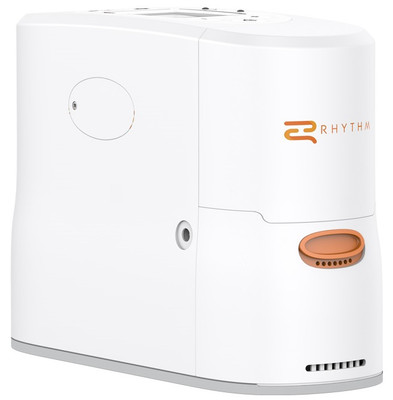
The P2-E7 is worth comparing when carrying weight is a priority. Its compact frame includes seven pulse settings, although those numbers do not indicate equivalent continuous-flow rates.
- Weight: 4.37 pounds with battery.
- Delivery: Pulse dose, settings 1–7; no continuous flow.
- Listed battery runtime: Up to 5.2 hours at setting 2; about 1.4 hours at setting 7.
- Included equipment: Battery, carry bag, and AC/DC power cords.
- Listed price: $2,995.
Consider it for: Daily outings when your clinician has confirmed that this model's pulse delivery meets your needs.
View the Rhythm P2-E7CAIRE FreeStyle Comfort: A Choice of Battery Sizes
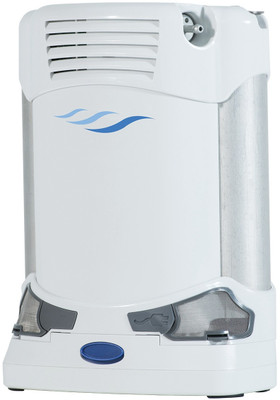
The FreeStyle Comfort offers a curved, body-hugging shape and two battery sizes. That gives you a choice between a lighter setup and longer operation between charges.
- Weight: 5 pounds with an 8-cell battery; 6 pounds with a 16-cell battery.
- Delivery: Pulse dose, settings 1–5; no continuous flow.
- ADHME-listed runtime at setting 2: Up to 4 hours with the 8-cell battery or 8 hours with the 16-cell battery.
- Published sound level: 39.9 dBA at setting 2.
- Listed starting price: $2,995; confirm the selected battery package and current price.
Consider it for: Outings where battery flexibility matters, provided its pulse delivery is appropriate for you.
View the FreeStyle ComfortA Continuous-Flow Option: CAIRE SeQual Eclipse 5
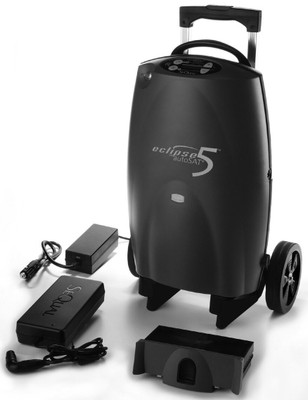
The Eclipse 5 offers continuous flow as well as pulse dose. It is substantially heavier than the shoulder-carried models above and uses a rolling cart, making it a different kind of portable solution.
- Weight: 18.4 pounds with battery, before adding the cart.
- Delivery: Continuous flow from 0.5–3 LPM; pulse settings 1–9.
- Published battery runtime: About 2 hours at 2 LPM continuous flow.
- Transport: Removable rolling cart with an adjustable handle.
- Listed price: $3,200.
Consider it for: Prescribed continuous-flow needs within its output range when a cart-based device is practical.
View the Eclipse 5Check the exact configuration before ordering. Prices and availability can change. Runtime figures are estimates, not guarantees. Confirm the battery version, included accessories, and expected runtime at your prescribed setting. Review oxygen-equipment return restrictions before purchasing.
Portable Oxygen Concentrator Price Guide: What to Expect
ADHME's listed portable concentrators currently range from about $2,795 for the Rhythm P2 to $3,200 for the Eclipse 5, before optional accessories. Within that selection, a higher price may reflect delivery capabilities or package differences rather than a better fit for every person.
| Model | Delivery type | Listed price |
|---|---|---|
| Rhythm P2 | Pulse dose | $2,795 |
| Rhythm P2-E7 | Pulse dose | $2,995 |
| CAIRE FreeStyle Comfort | Pulse dose | From $2,995; package dependent |
| CAIRE SeQual Eclipse 5 | Continuous flow and pulse dose | $3,200 |
Build your budget around the complete setup. Extra batteries, a separate battery charger, replacement cannulas, and future service can add to ownership costs. Ask what the warranty covers for the concentrator, batteries, and other components, since coverage periods may differ.
Buying vs. Renting a Portable Oxygen Concentrator
Buying may make sense when you expect frequent, long-term use and want a specific model available whenever you need it. Renting may suit a temporary need or a planned trip, provided the rental equipment meets your prescription.
For a fair comparison, obtain a rental quote that includes the required batteries, shipping, accessories, deposit, and damage terms. Compare the total cost for your expected rental period with the purchase price. Rental rates and available models vary by provider; confirm rental availability rather than assuming every retailer offers it.
If you plan to use insurance, contact your insurer and oxygen supplier before paying out of pocket. Coverage for oxygen equipment does not automatically mean reimbursement for the portable model you prefer or for a retail purchase.
Where to Buy a Lightweight POC with Free Shipping
American Discount Home Medical Equipment carries portable oxygen concentrators with free ground shipping within the contiguous United States. Orders shipping to Alaska or Hawaii require a shipping quote.
ADHME also offers a lowest-price guarantee on qualifying identical, in-stock products after verification, with restrictions, and Bread Pay financing for eligible applicants. Review the shipping, price-guarantee, payment, and return policies before ordering. A prescription is required for medical oxygen concentrators.
Once your healthcare provider has confirmed the required delivery method and settings, ADHME's product experts can help you compare equipment, battery packages, and accessories. Call 800-956-6616 or use live chat during business hours.
Find a portable oxygen concentrator that fits your prescription and your day.
Compare carrying weight, battery options, and oxygen-delivery capabilities before choosing your next machine.
Shop Portable Oxygen ConcentratorsSources and Product Information
- American Thoracic Society: Oxygen Therapy
- American Thoracic Society: Portable Oxygen Concentrators
- FAA: Acceptance Criteria for Portable Oxygen Concentrators
- U.S. Department of Transportation: Portable Oxygen Concentrator Travel Guide
- CAIRE: FreeStyle Comfort Product Information
- CAIRE: Eclipse 5 Product Information
- ADHME: Product Listings, Configurations, and Current Prices